The Earth’s surface is the meeting point between internal and external geodynamics. The terrestrial relief is the result of the long-term action of climatic and tectonic forces. Understanding the key role of surface processes in the major geochemical and geological cycles is essential for comprehending the dynamics of the Earth system. The combination of developing new models for surface processes, along with the increasing availability of topographic data at various resolutions, has opened up a multitude of possibilities for studying the evolution of landscapes and how they record climatic and tectonic variations over time and space. Topography and surface processes analyses are now widely used for example to retrieve information about the deformation of active mountain ranges, or Late Cenozoic climate changes.
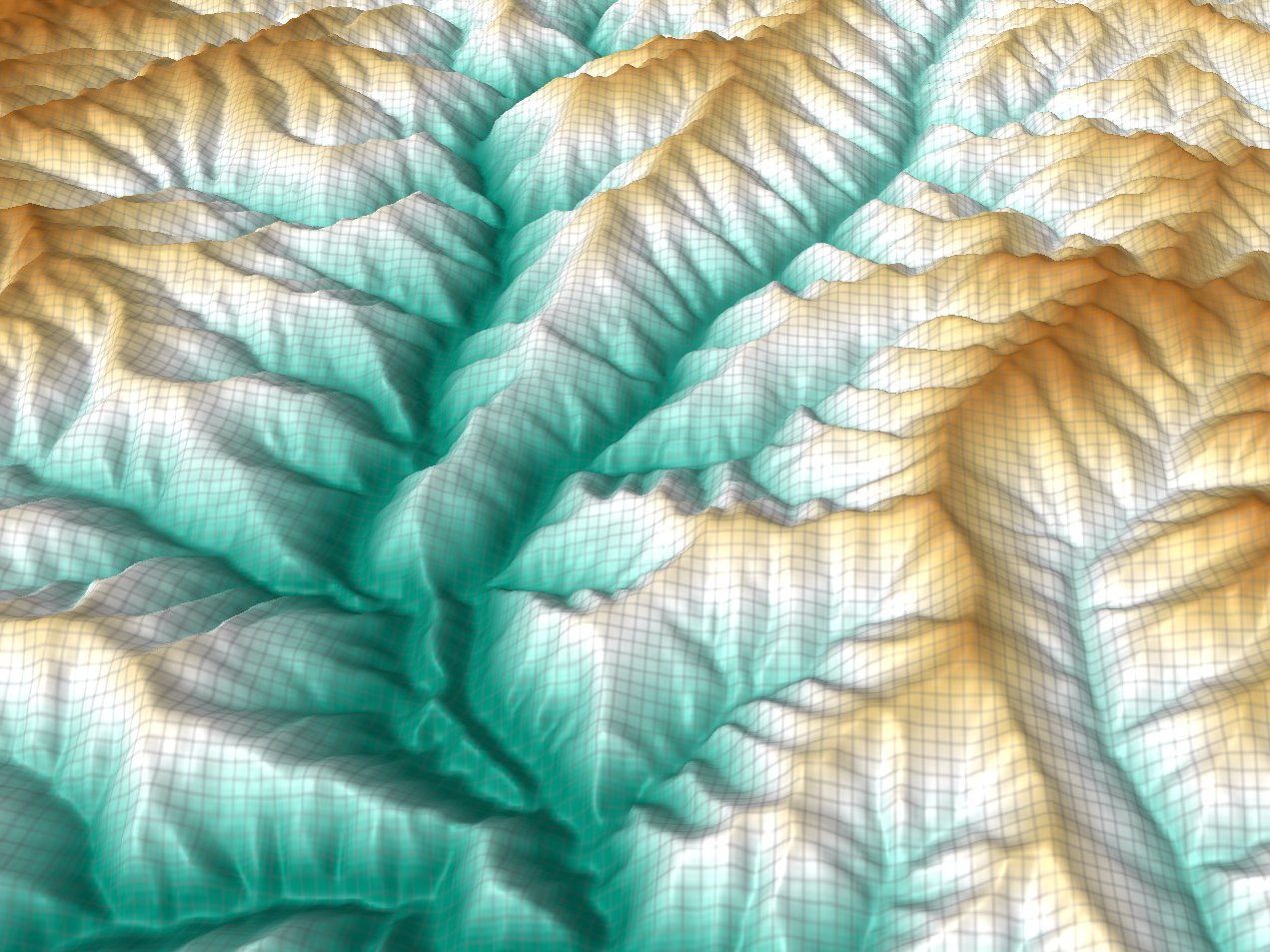
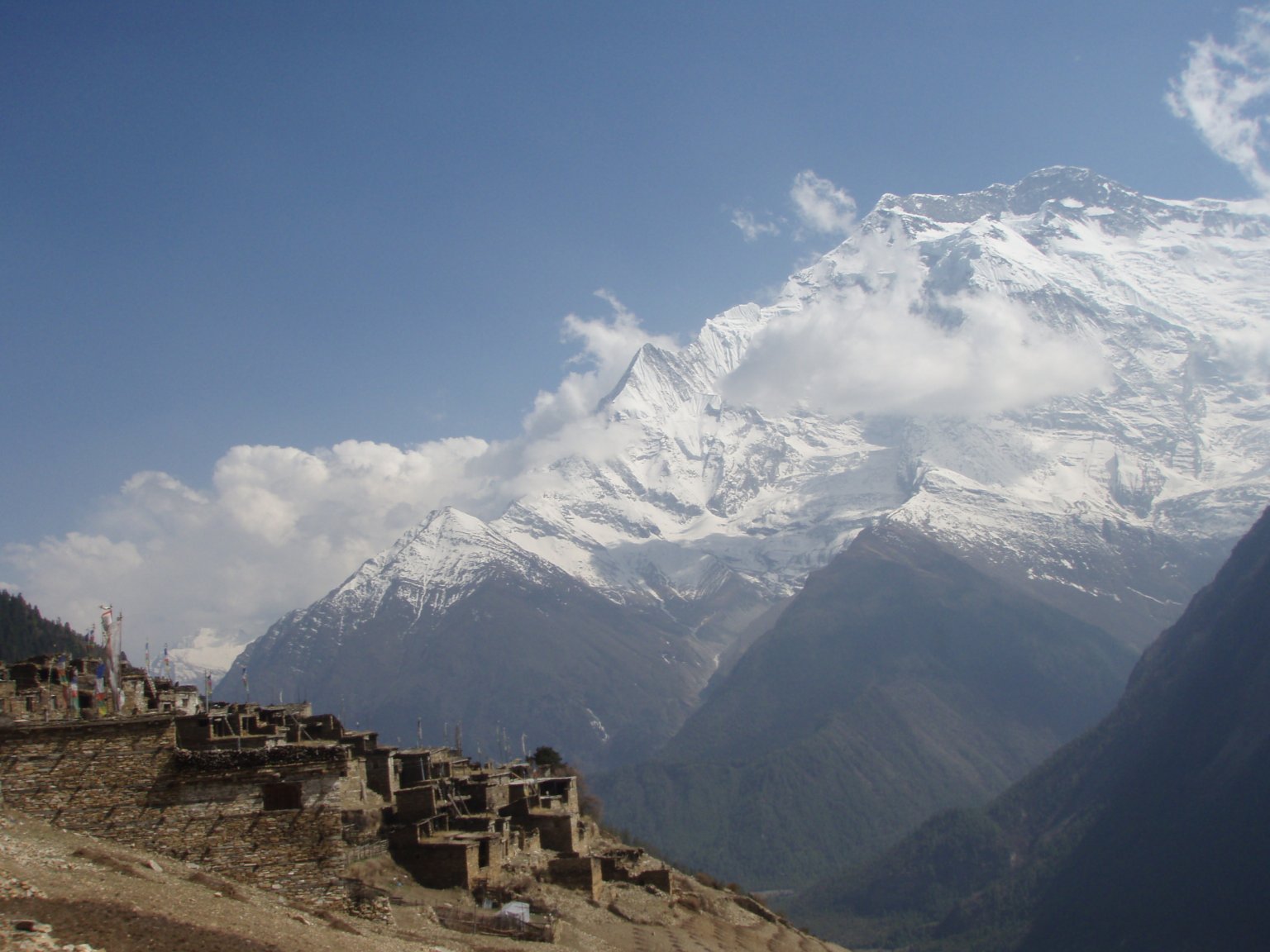
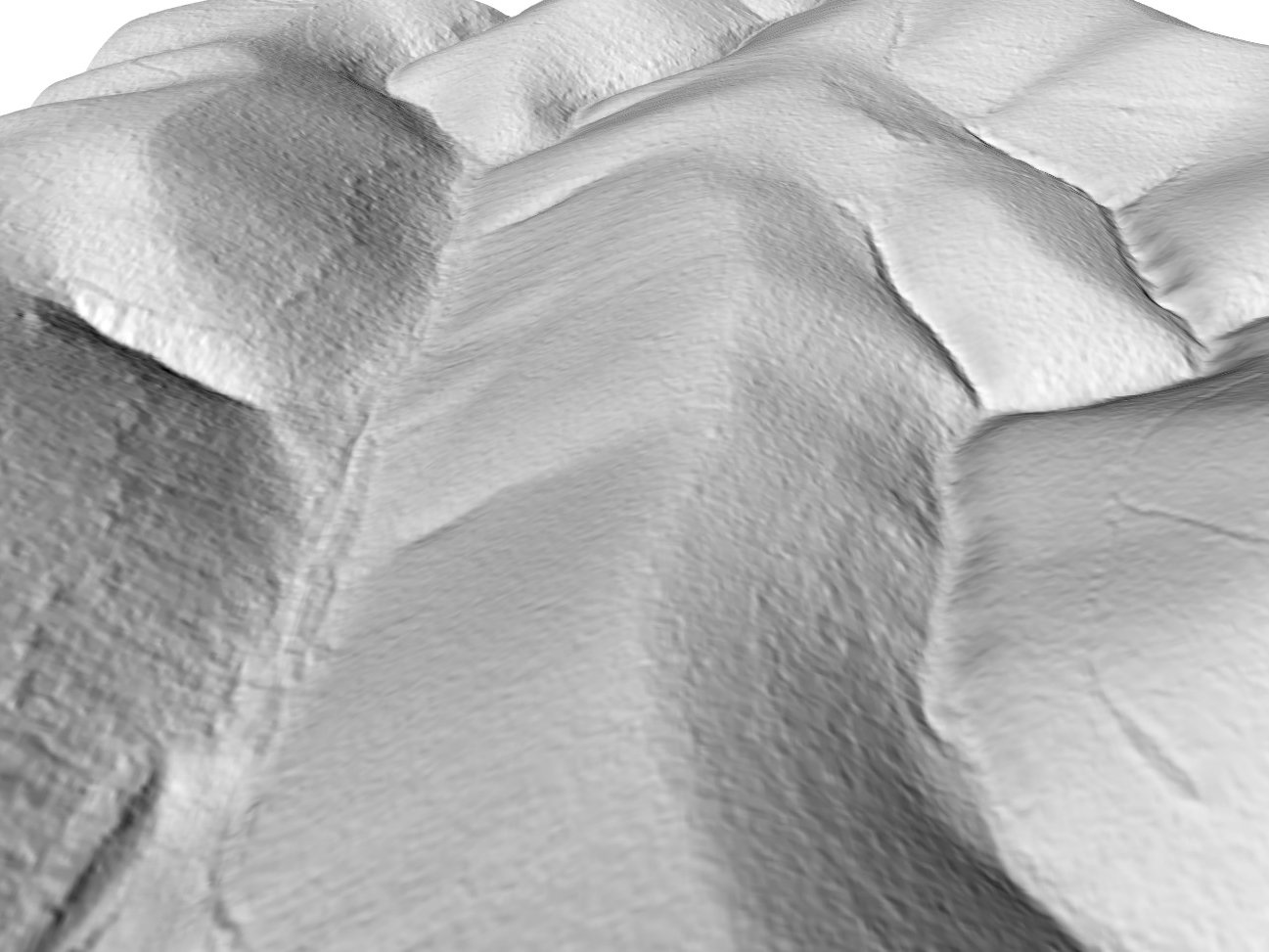
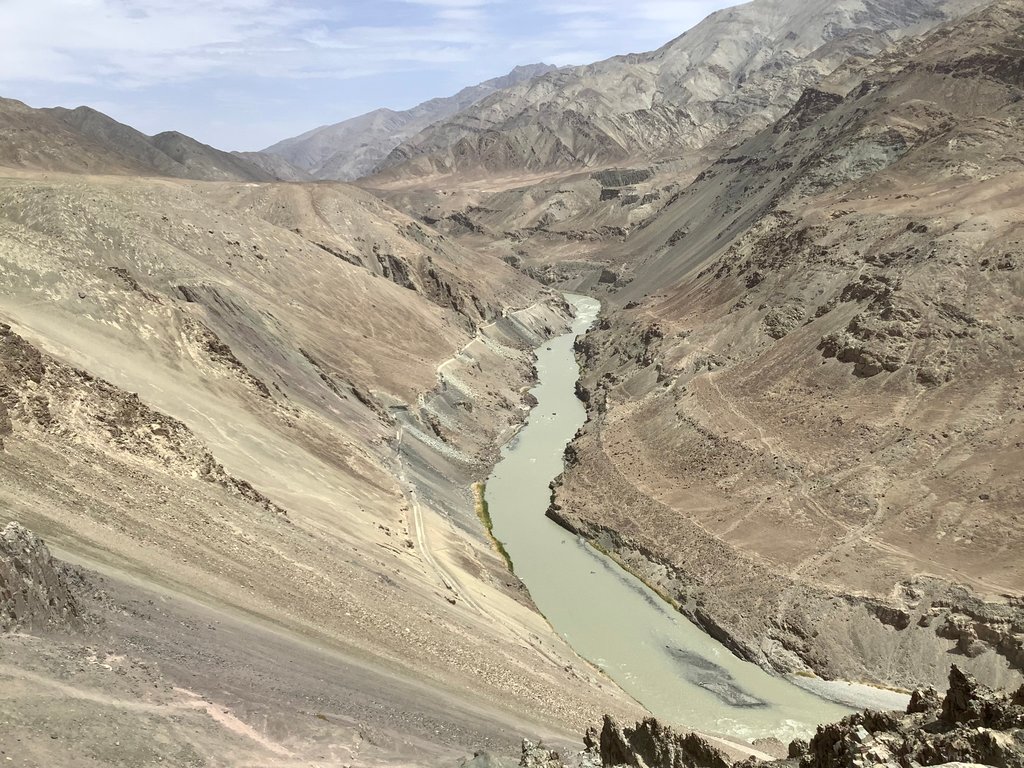
This course aims to introduce quantitative and process-oriented analysis of terrestrial relief in order to extract information about climatic and tectonic evolution. We will explore the key formulations of fluvial incision or hillslope erosion, with a focus on the analysis of long river profiles. We will use the Himalayan range as natural laboratory to understand how surface processes such as river incision can deliver critical information on tectonic processes and seismic hazards.
Geomorphology, Earth Surface Dynamics, GIS, Tectonics