Earth System Models have difficulties in modelling the interactions between vegetation and atmosphere in the water cycle. This is especially true in dry regions and in areas where ecosystems can coexist for the same hydroclimatic conditions while having antagonistic ecological functioning (so-called alternative stable states such as tropical forests and savannas). More observations are therefore crucially needed to improve our understanding of the feedbacks between vegetation and atmosphere, and constrain these models. Studying past climate that show similarities with current and future climate change, represent a unique opportunity to understand feedback loops between climate and vegetation, and to identify the triggers in vegetation transitions between alternative stable states. In practice, this requires independent proxies for past vegetation and climate changes, that nonetheless integrate the same spatial and temporal scales.
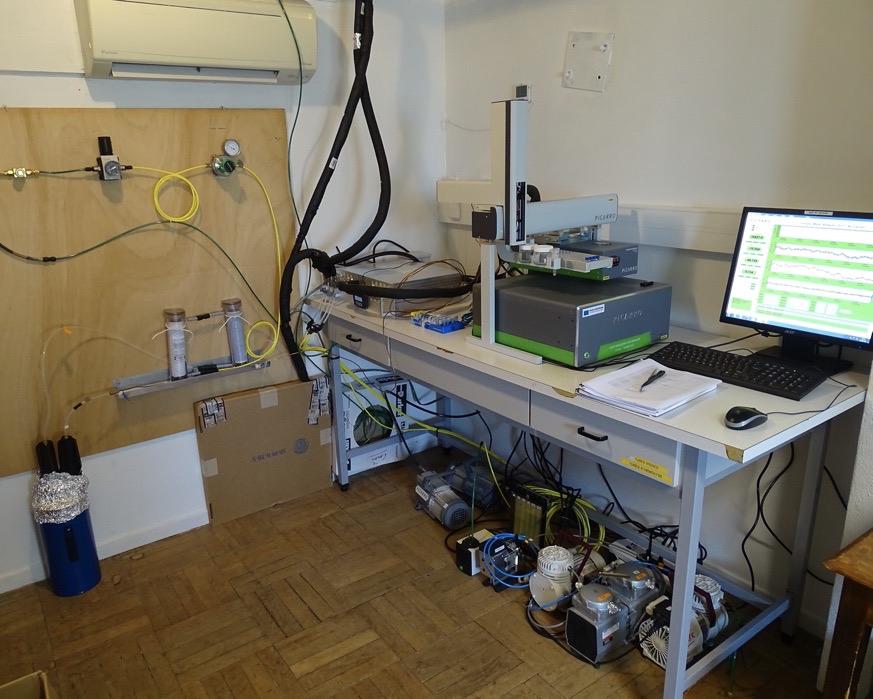
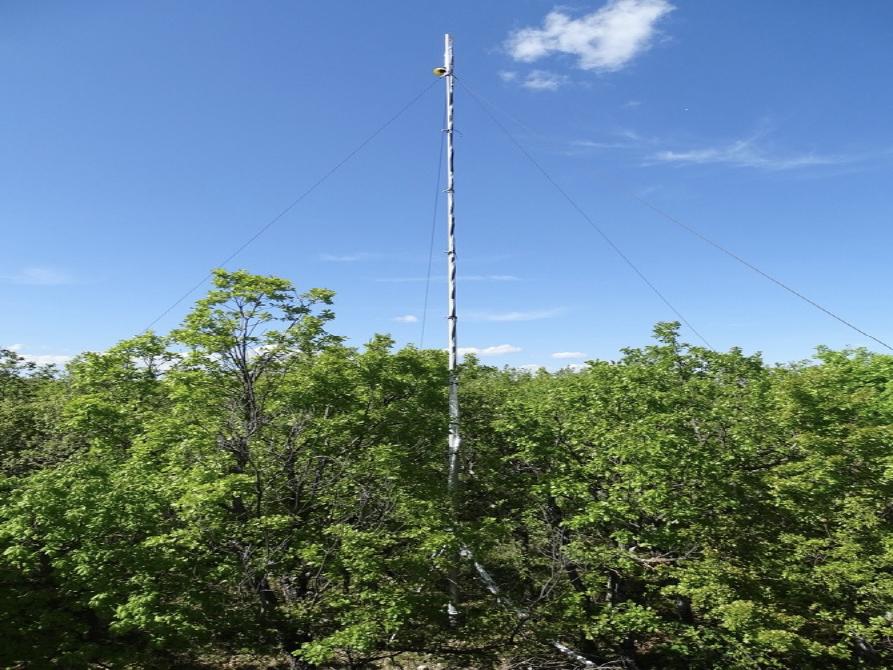
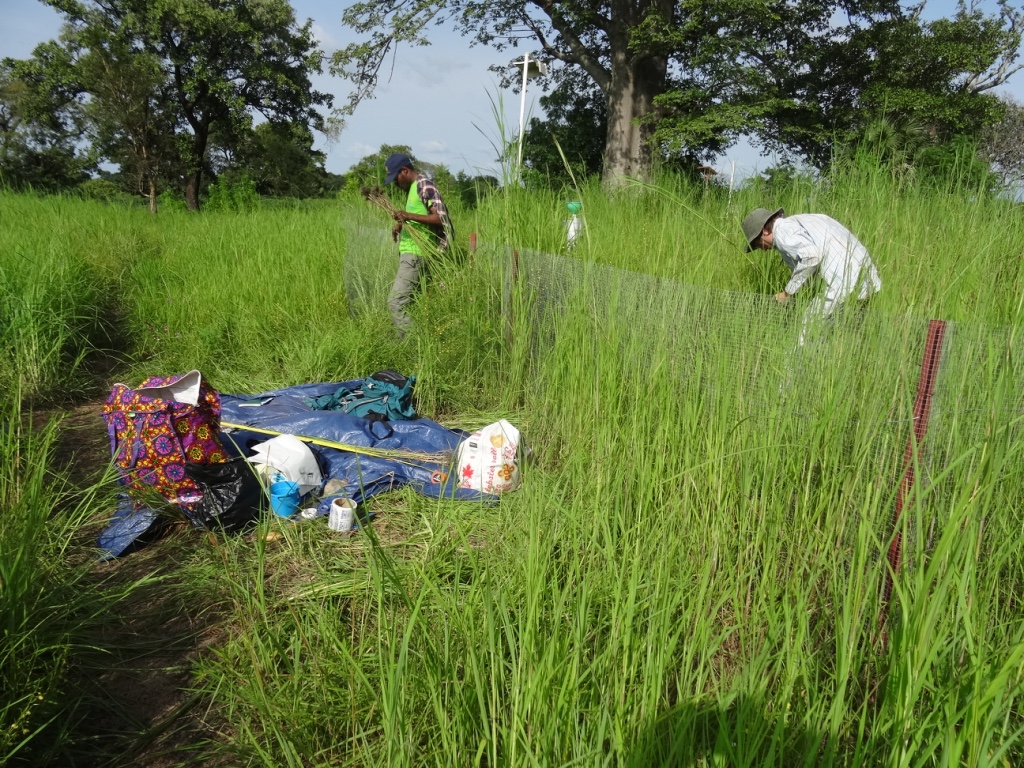
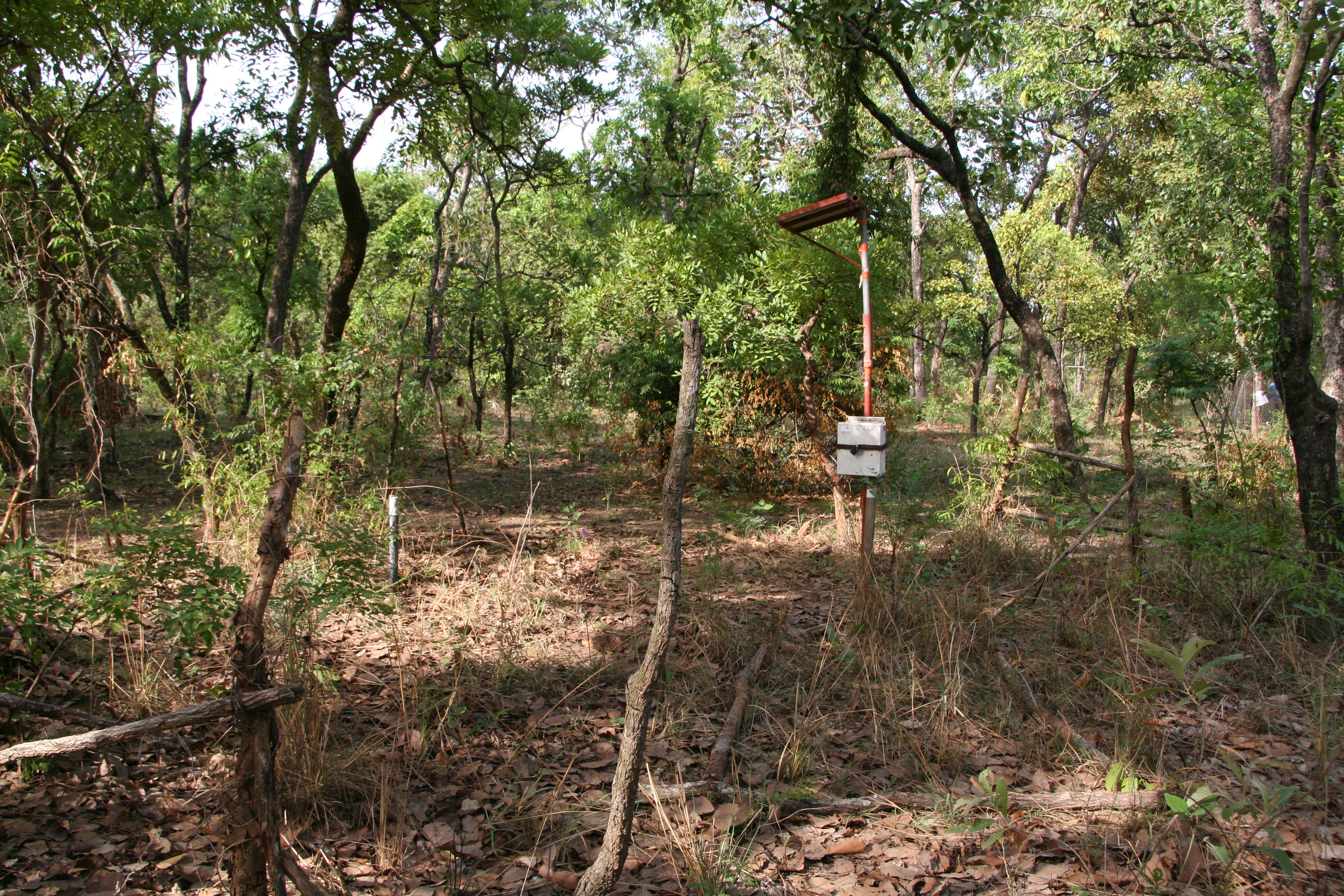
In this course, we will investigate
- how the triple oxygen isotope composition of water is a new powerful tool for tracing evaporative processes in the water cycle, especially in tropical and Mediterranean areas
- how the triple oxygen isotope composition (17O-excess) of biogenic and authigenic minerals (e.g. phytoliths, diatoms, soil silicates and carbonates) records the amplitude of these evaporative processes and can be used as climate proxies
- how it can be combined with vegetation proxies to examine the interactions between climate and vegetation in the water cycle.
We will use the example of tropical forests and savannas to highlight the importance of some climatic variables (relative humidity, vapor pressure deficit and rainfall) in their current distribution and as drivers of critical transitions between these vegetation states in the past and potentially into the future.
Triple oxygen isotopes, water cycle, vegetation-climate interactions, alternative ecosystem states, paleoclimatology