The academic year in France is organize into two semesters, exchange students can participate in either one of the semesters or the whole year.
The program is fully taught in English, except for some units in the first semester of Master 1 (see details below).
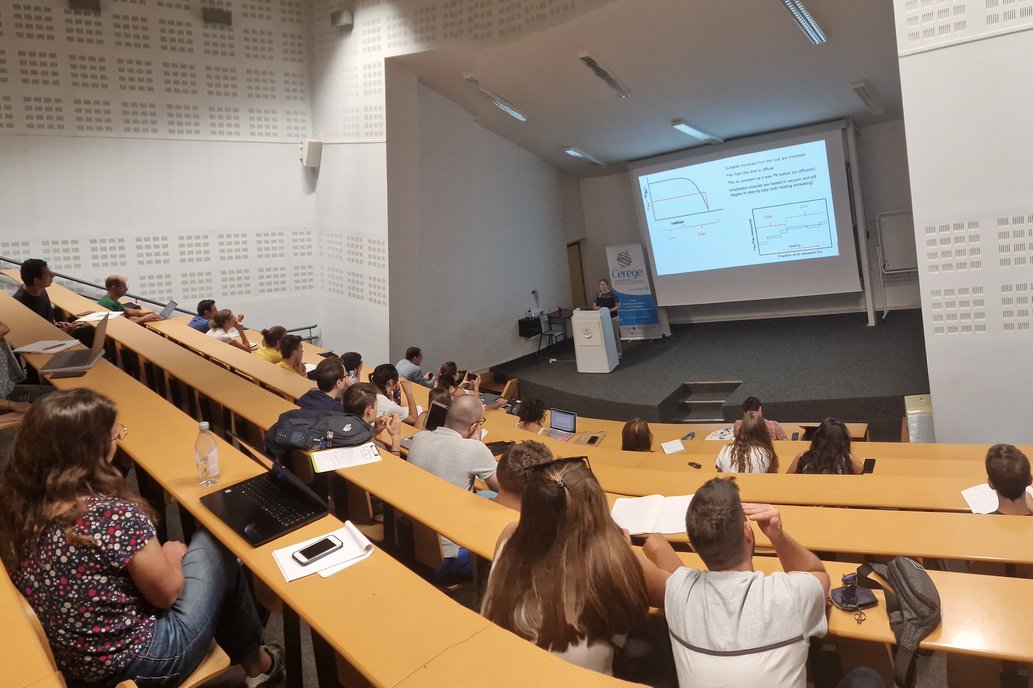
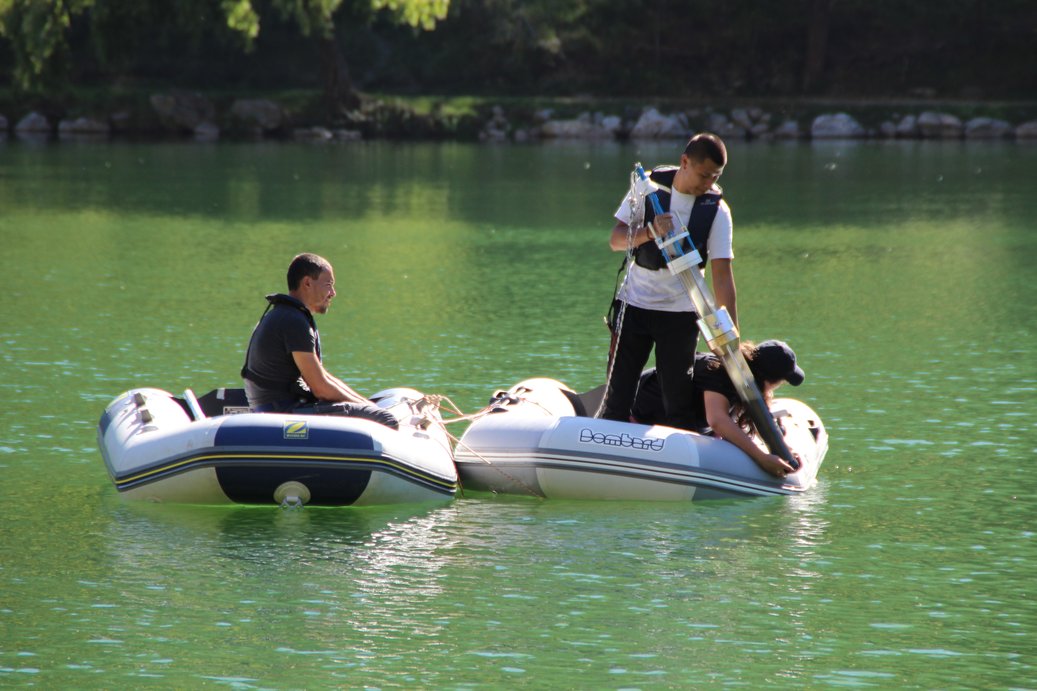
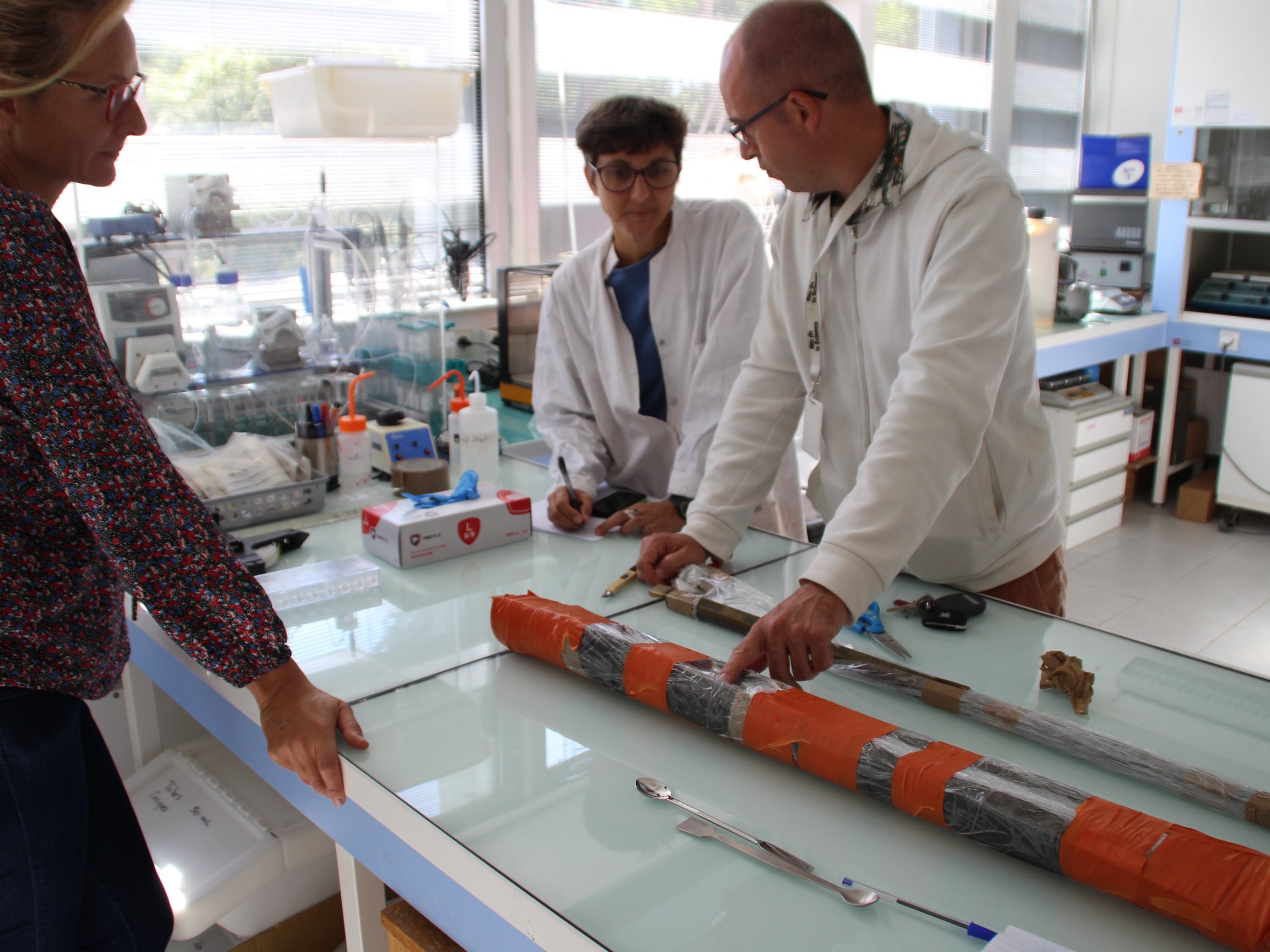
The International Master in Geosciences program is as much as possible taking advantage of the scientific environment of CEREGE in order to give students a hands-on experience with state-of-the-art research facilities.
From September to January
This semester (30 ECTS) is a common core curriculum between several Master programs (including the IMG curriculum). For that reason some units are taught in French, while others are in English.
In the table below the main language of the lectures for each unit is indicated (for mixed French/English units the approximative percentage is indicated).
All teaching materials are in English, questions can be asked and answered in English and exams can be taken in English as well.
For that reason basic knowledge of French (A2/B1 level) is sufficient to follow this semester.
| Teaching unit | ECTS | Language |
|---|---|---|
| Major environmental challenges | 2 | English |
| Internal geodynamics | 3 | French-70%/English-30% |
| External geodynamics | 3 | French-70%/English-30% |
| Geophysics of natural resources | 3 | French-70%/English-30% |
| Statistics | 3 | French-70%/English-30% |
| Geographical Information Systems | 3 | French-50%/English-50% |
| Geochemical tracers and chronometers 1 | 3 | French-70%/English-30% |
| Rock and mineral characterization techniques | 3 | French |
| Field trip | 5 | English |
| Project-Based Learning module (APP1) | 2 | English |
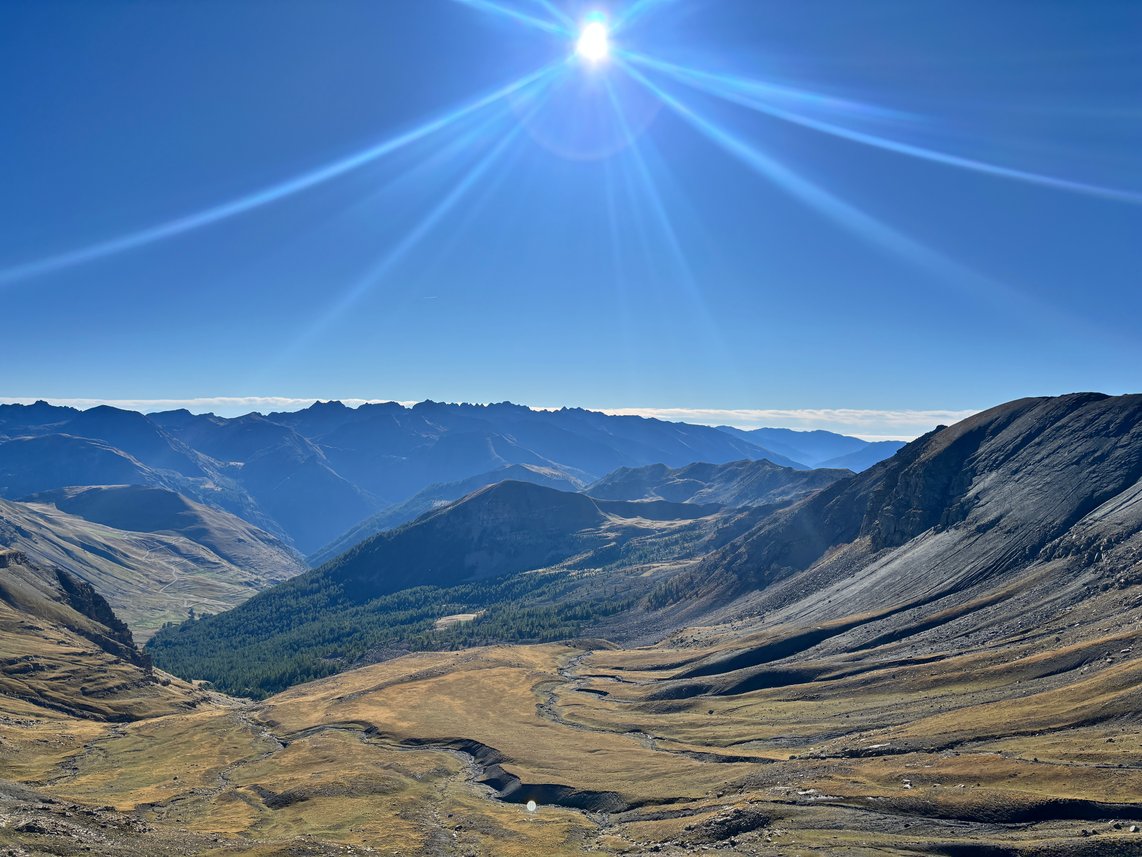
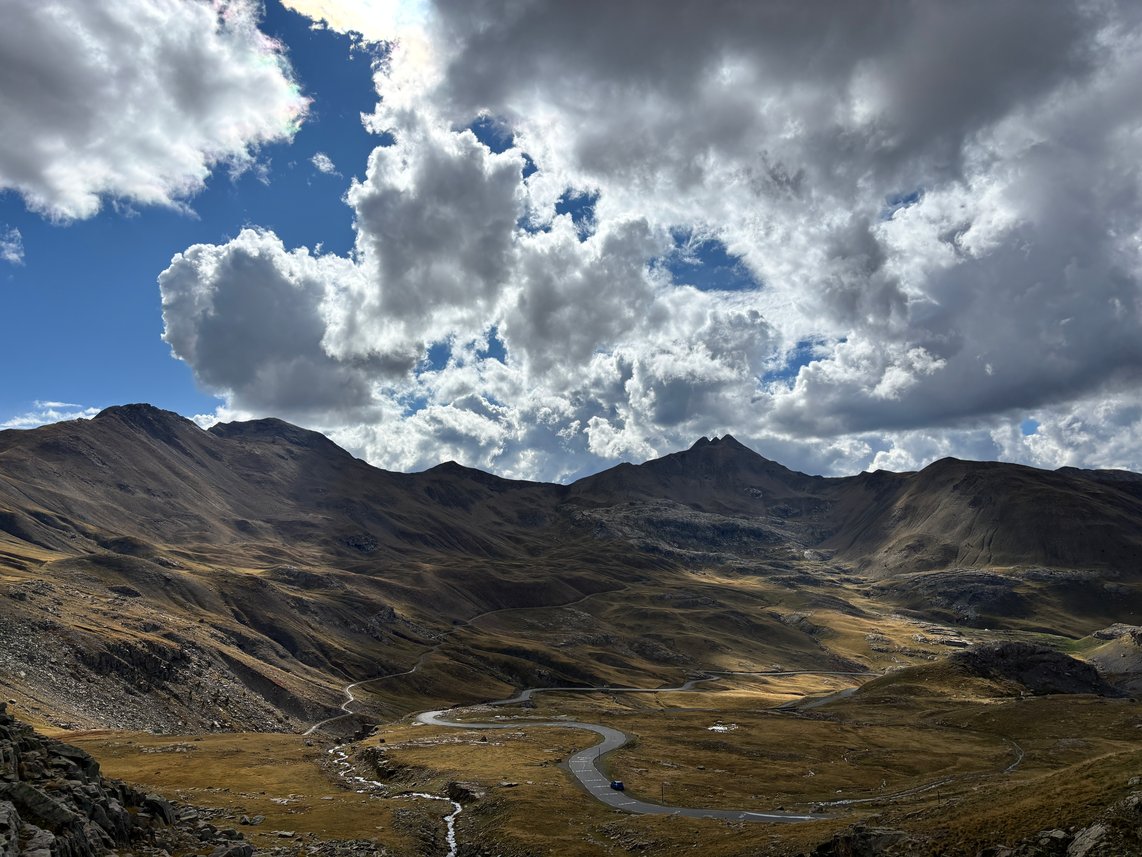
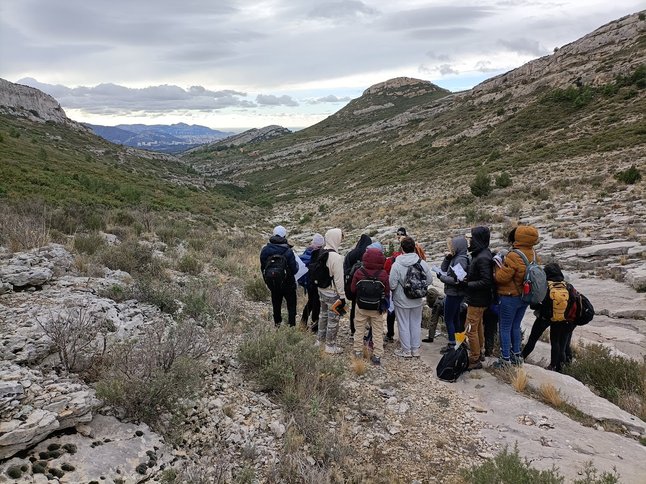
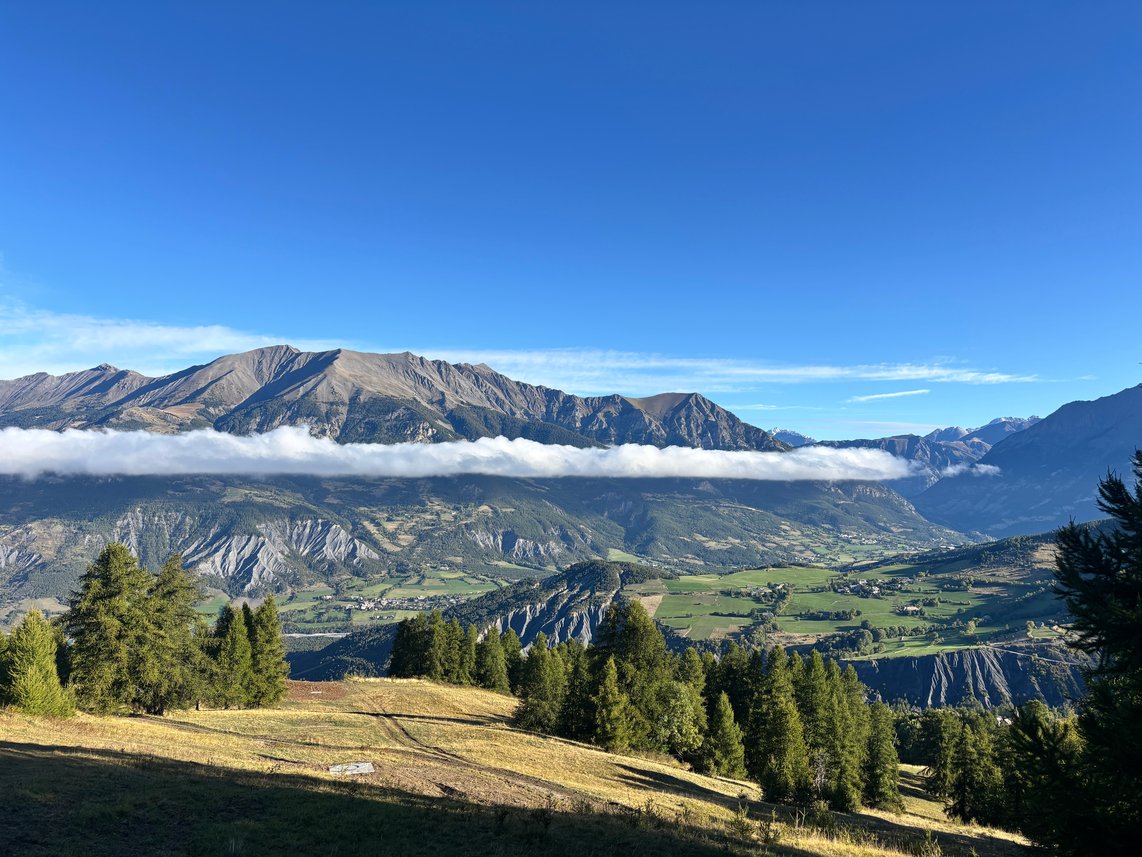
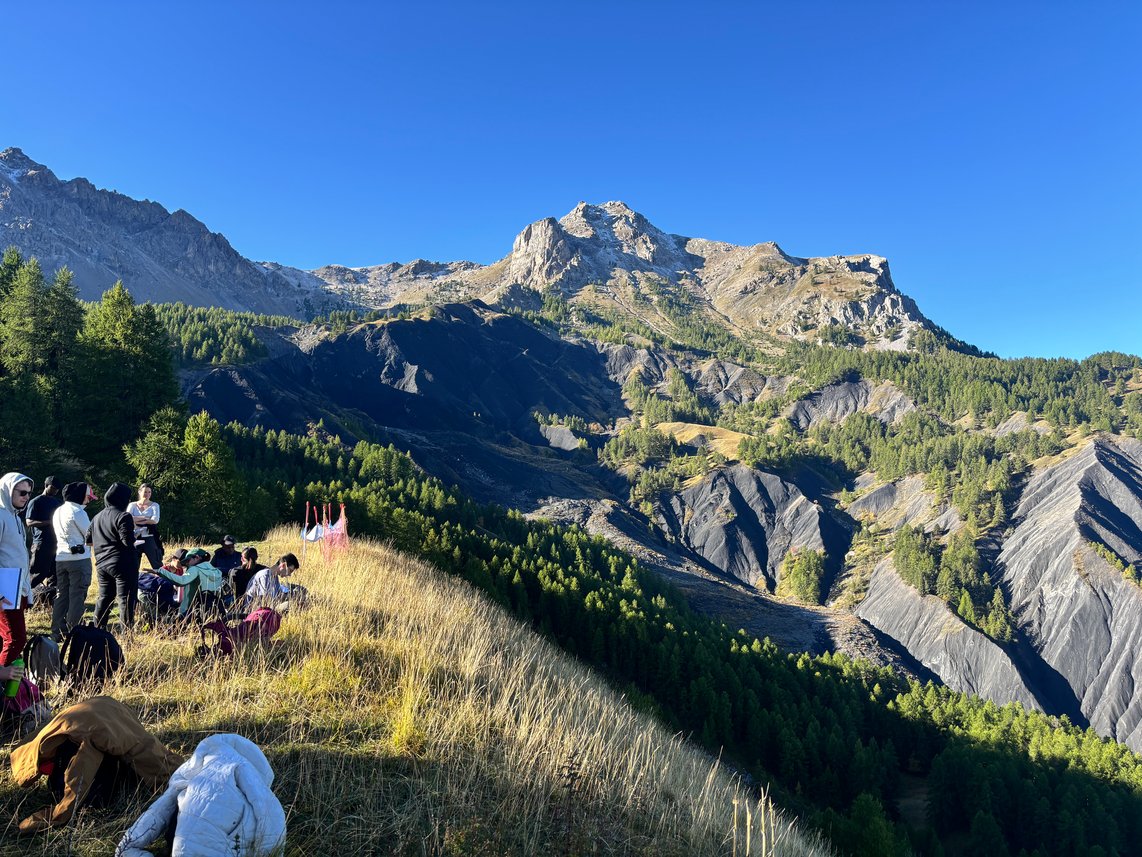
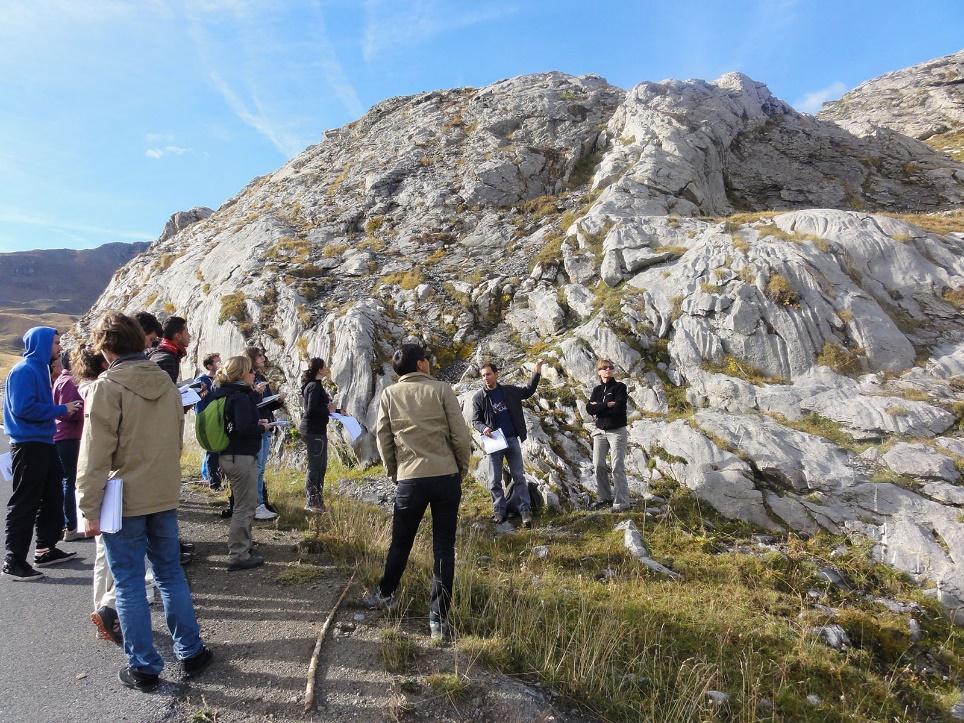
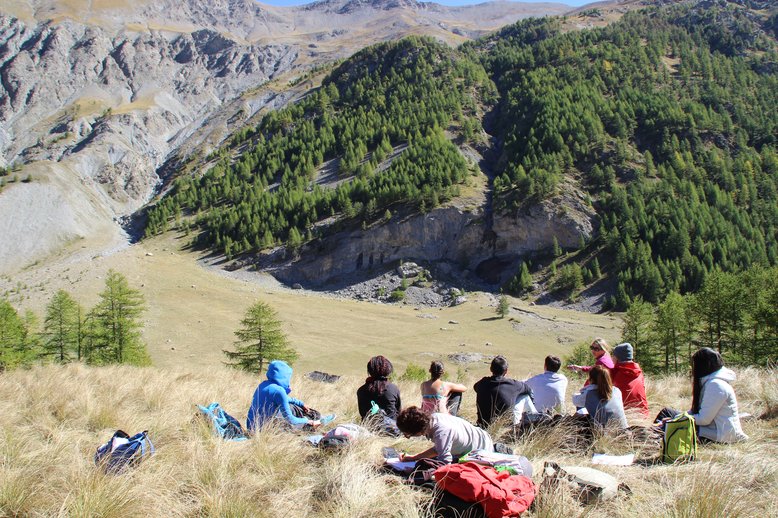
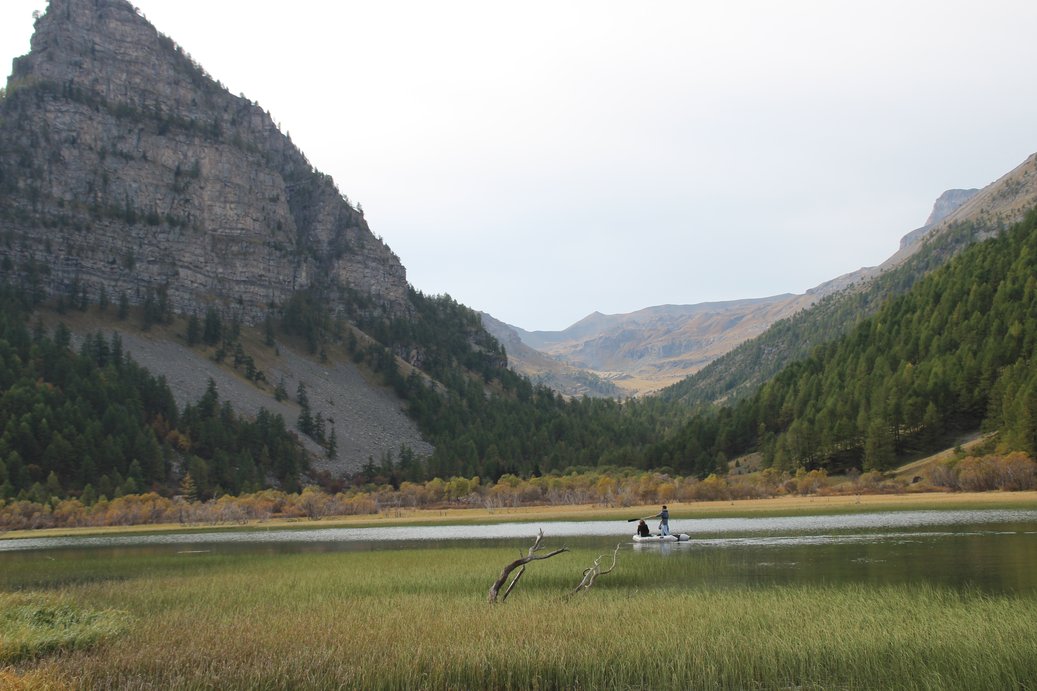
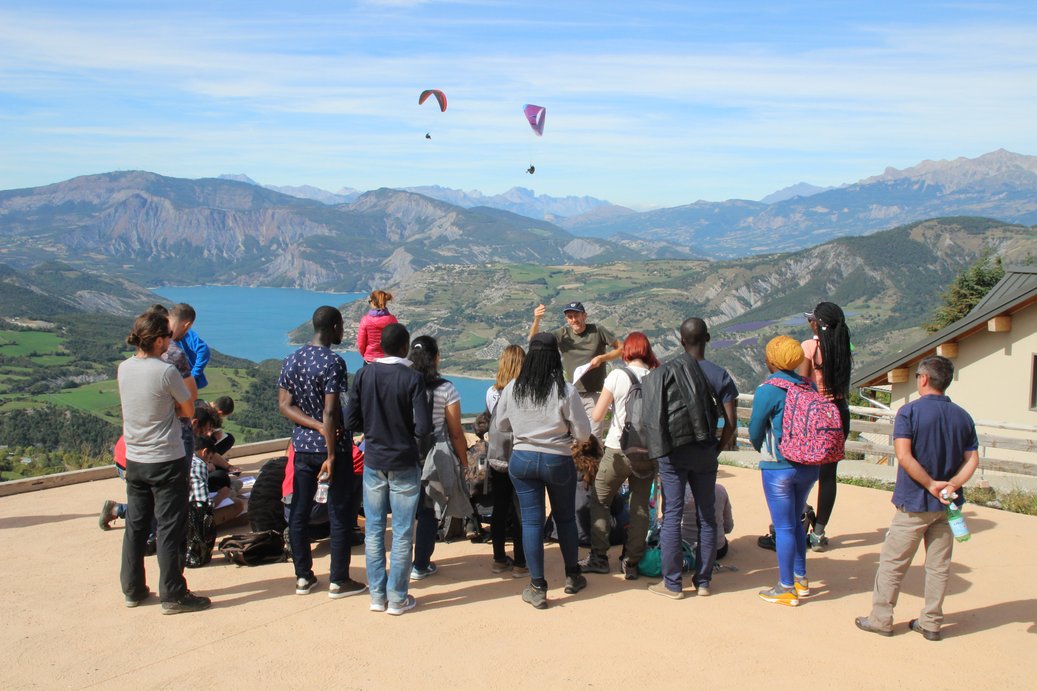
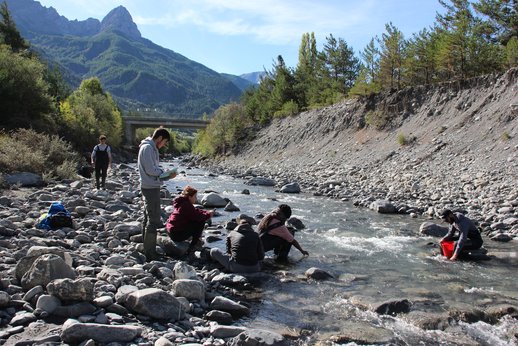
The integration field trip takes place in the Ubaye Valley (Alps) in September, and is then developed into a project-based learning unit (APP1) during the semester.
From February to June
This semester (30 ECTS) is fully taught in English and includes two key elements in the training program.
| Teaching unit | ECTS | |
|---|---|---|
| Spatial data: from field to 3D modeling | 4 | |
| Geosciences data processing | 3 | |
| Research internship | 6 | |
| APP2 Project driven learning (experimental approaches) | 3 | |
| Geosciences in the Anthropocene | 2 | |
| Geochemical tracers and chronometers 2 | 4 | |
| Climatic system | 4 | |
| Earth Surface Dynamics | 4 |
From September to January
The first semester will comprise the following teaching units for a total of 30 ECTS.
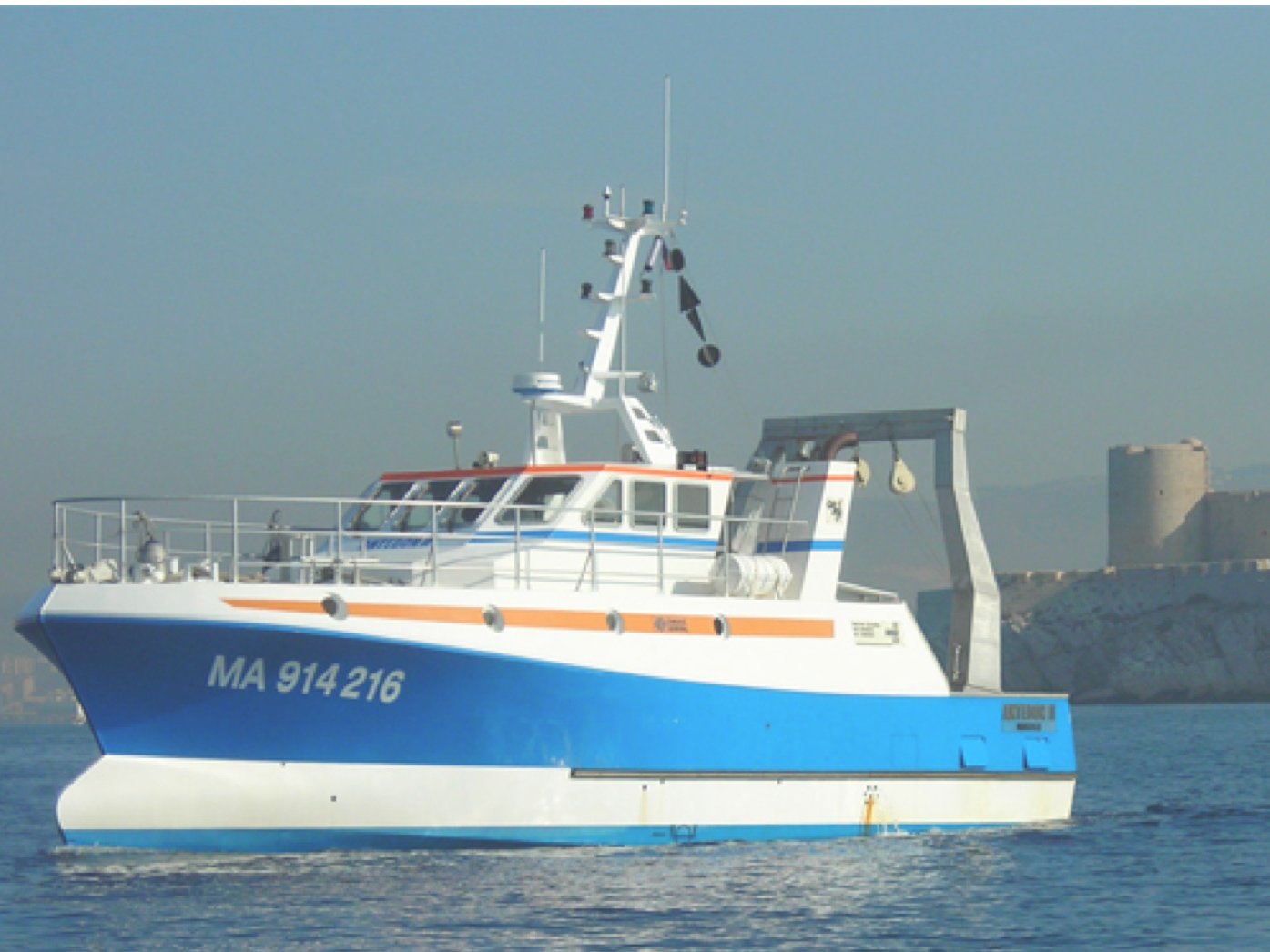
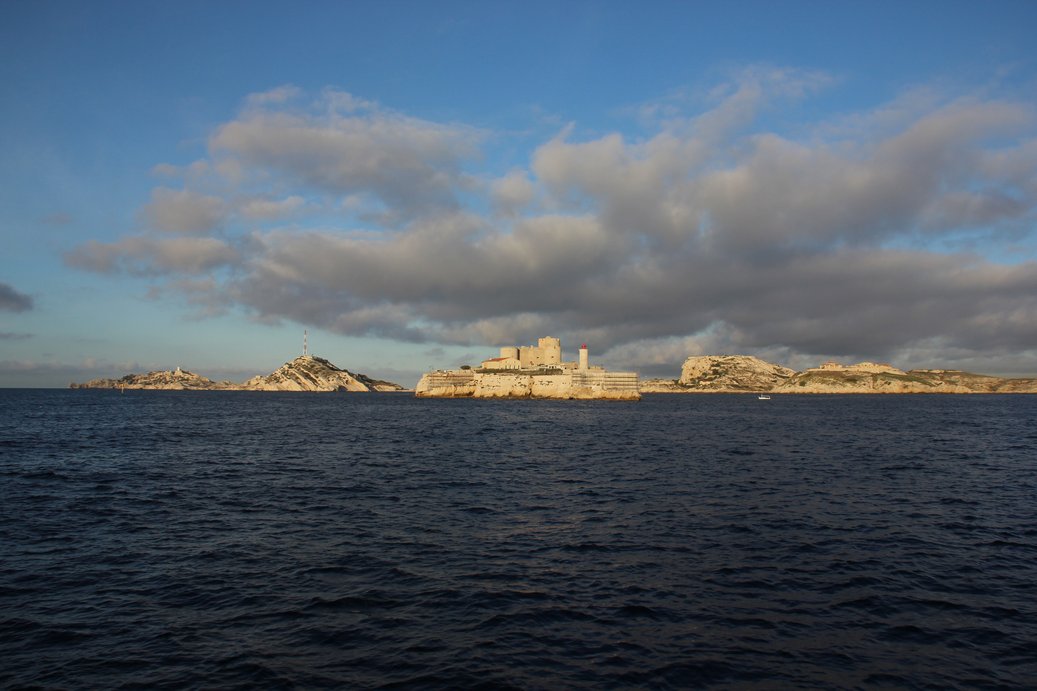
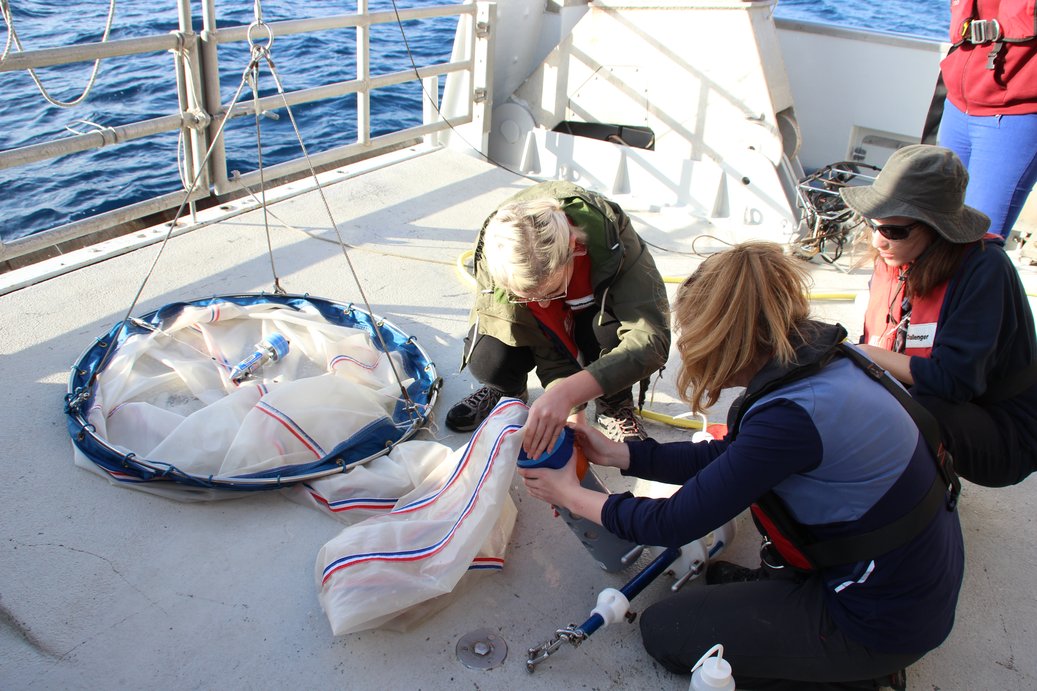
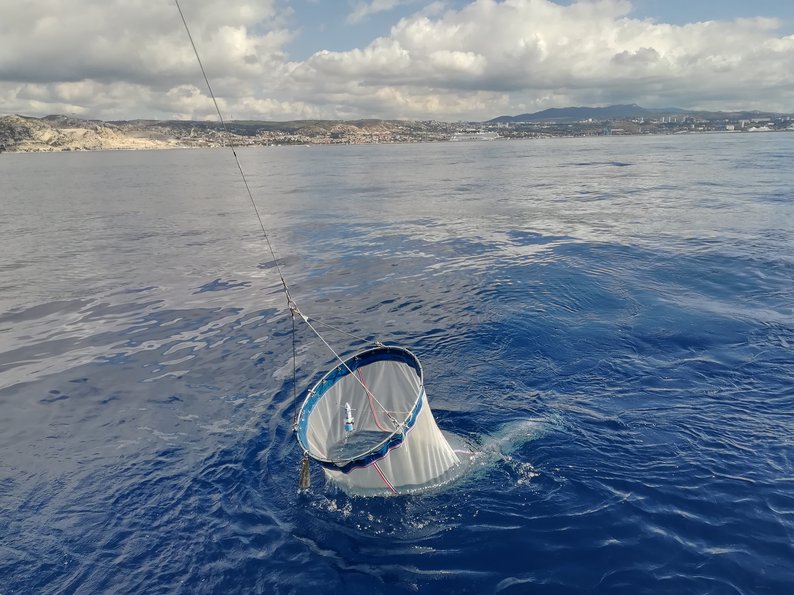
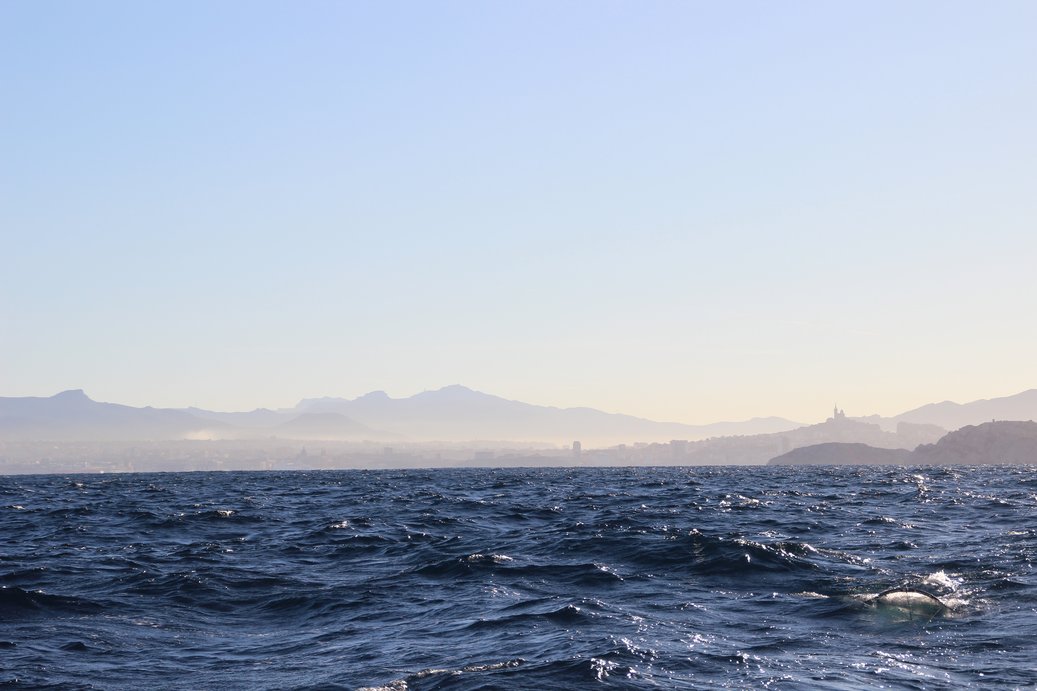
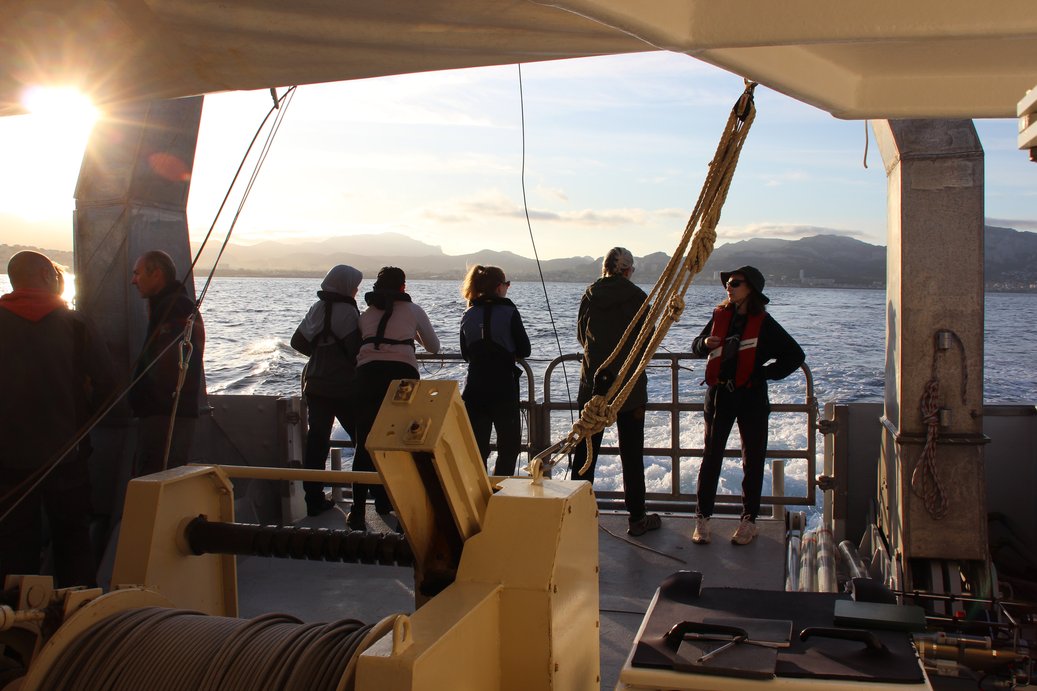
(6 ECTS) Currently offered as a at-sea practical sessions aboard the Antedon II oceanographic research ship in the coastal areas of Provence, followed by a semester-long project focused on the analysis of collected samples.
(2 ECTS) A practical course and seminars on focusing on the presentation of scientific information, through article analysis and oral presentations.
(4 ECTS) A semester-long personal project aimed at developing skills in data processing and numerical modeling for Earth Science research.
(3 ECTS) Presentation of the various isotopic tools and approaches used to construct absolute chronologies for Quaternary events and processes (cosmogenic nuclides, radiocarbon, U-series, luminescence, …)
(3 ECTS) Introduction to remote sensing applications in Earth Sciences, with a focus on practical activities involving various types of satellite imagery and advanced geomatics approaches.
(3 ECTS) Choose one of these two units, according to your interests.
Presentation of the global scale coupling between carbon cycle, geodynamics and carbonate sedimentary systems, and its implications on climatic evolution at different timescales.
Investigation of the active deformation processes along fault systems at different scales, with a focus on using morphotectonic and paleoseismological approaches.
(9 ECTS) A choice of 9 small workshops (from a total of 13), enabling students to build their own personal career path according to their areas of interest. Each topic is a sequence of 3 sessions on a cutting-edge area of Geosciences, taught by specialists in the field. Details can be found in a dedicated website.
From February to July
The second semester is entirely devoted to a full-time 5 months professional internship. It can focus on a research project in an academic setting at CEREGE or another university, as well as with our industrial partners.
The IMG program builds on AMU institutional environment and international collaboration networks. Numerous opportunities to take part in innovative teaching and field schools, in addition to the standard curriculum, are available.
The CIVIS alliance is a network of European universities of which AMU is a founding member. Notably, academic exchange opportunities for teaching and fieldwork are regularly offered via Blended Intensive Programs (BIP) and CIVIS courses.
AMU institutes are innovative cross-disciplinary structures within AMU that enable the creation of interdisciplinarity synergies, and offer numerous training programs for Master’s students.